
A collision with a commercial truck is among the most catastrophic events a person can experience on the road. These vehicles can weigh up to 80,000 pounds fully loaded, and the physics of impact are devastating.
If you or a loved one has been injured in a trucking accident, one of the first questions you’ll face is, “Who is responsible?” Trucking accident liability is rarely confined to a single party. Determining fault in a commercial trucking accident is a complex process that draws on multiple layers of evidence, federal and state regulations, and the potential liability of several parties, not just the driver behind the wheel.
Understanding how fault is investigated and proven can make the difference between recovering the full compensation you deserve and walking away with far less than you need. At Simon Law, our experienced trucking accident attorneys are equipped to navigate every layer of this complexity on your behalf.
Why Trucking Accident Cases Are More Complex Than Car Accidents
When two passenger vehicles collide, the fault investigation is often straightforward: the police arrive, witness statements are collected, and insurance companies negotiate based on a relatively contained set of facts. Commercial trucking accidents operate on an entirely different level.
Commercial carriers are subject to a comprehensive web of federal regulations enforced by the Federal Motor Carrier Safety Act (FMCSA), including mandatory rest requirements, vehicle inspection standards, cargo loading rules, and driver licensing requirements. A single crash can generate hundreds of pages of regulatory compliance records, maintenance logs, driver history files, and electronic data. The stakes are also significantly higher, as injury settlements and verdicts in trucking cases often involve millions of dollars, depending on the injury severity, motivating carriers and their insurers to contest liability aggressively.
Liability Extends Beyond the Driver
In a standard car accident, liability typically falls on one or both drivers. In commercial trucking accidents, the driver may be only one piece of a much larger puzzle. The trucking company, cargo loaders, maintenance contractors, and even equipment manufacturers may all share responsibility for what happened. Identifying every potentially liable party is essential, and doing so requires a thorough, methodical investigation that begins immediately after the crash.
Key Factors Used to Determine Fault
Building a successful trucking accident claim means gathering and analyzing evidence from multiple sources. Here is how that process typically unfolds.
Police Reports and Initial Findings
Law enforcement officers who respond to a trucking accident will document the scene, record observations of vehicle positions and damage, issue any applicable citations, and note preliminary findings regarding the cause of the crash. This report serves as an important starting point for any investigation.
However, police reports are not always the final word on fault. Officers may not have access to electronic data from the truck or full details about the driver’s hours of service at the time of the crash. Courts and insurance adjusters consider the police report alongside other evidence when determining liability.
Eyewitness Statements
Independent eyewitnesses, such as other drivers, pedestrians, or bystanders, can provide accounts that corroborate or challenge what the truck driver and other involved parties claim happened. Witness testimony is especially valuable in cases where physical evidence is ambiguous or disputed.
Physical Evidence from the Scene
Skid marks, debris fields, vehicle damage patterns, and road conditions all tell a story about how a crash unfolded. Accident reconstruction experts can use this physical evidence to determine vehicle speeds, the point of impact, and the driver’s behavior leading up to the collision. In serious trucking accidents, this kind of expert analysis is often indispensable.
Electronic Logging Devices (ELDs) and Black Box Data
Modern commercial trucks are required by federal law to carry Electronic Logging Devices (ELDs), which automatically record hours of service to ensure drivers comply with federally mandated rest requirements. Beyond just hours, many trucks are also equipped with event data recorders, commonly called black boxes, that capture pre-crash data, including vehicle speed, braking force, steering input, and whether safety systems were engaged.
This data can be pivotal in proving negligence. If the ELD shows a driver was behind the wheel for longer than regulations allow, or the black box shows the truck was speeding or the driver failed to brake in time, that evidence can directly establish liability. Importantly, trucking companies may not preserve this data indefinitely, which is one reason it’s critical to contact an experienced truck accident attorney as quickly as possible after an accident.
The Role of Federal and State Trucking Regulations
Commercial trucks operating in Missouri are subject to both FMCSA federal regulations and Missouri-specific commercial vehicle rules. The Missouri Commercial Motor Vehicle Regulations outline requirements that Missouri carriers must follow, in addition to federal mandates. Violations of these rules are powerful evidence of negligence in a personal injury claim.
Hours-of-Service Violations
Federal hours-of-service (HOS) regulations limit how many consecutive hours a truck driver can operate a commercial vehicle before taking mandatory rest breaks. These rules exist for a straightforward reason: fatigued driving dramatically increases the risk of crashes. When a driver or carrier violates HOS rules, whether by falsifying logs, ignoring break requirements, or pressuring drivers to push past legal limits, those violations can establish that fatigue was a contributing factor in the crash.
Maintenance and Inspection Requirements
Commercial carriers are required to conduct regular pre-trip inspections and maintain their vehicles according to federal safety standards. Brake failures, tire blowouts, lighting defects, and steering problems that stem from neglected maintenance are among the most preventable causes of serious trucking accidents. If the investigation reveals that a carrier failed to inspect or repair a known defect, that failure can support a negligence claim against the company.
Cargo Loading Rules
Federal regulations govern how cargo must be secured, distributed, and loaded within a commercial trailer. Overloaded trucks have longer stopping distances and are harder to control. Improperly secured cargo can shift in transit, destabilizing the vehicle and causing rollovers or jackknifes. When cargo loading violations contribute to a crash, the company or individuals responsible for loading the trailer may share liability for the resulting injuries.
Identifying All Potentially Liable Parties
One of the most important, underappreciated aspects of a trucking accident case is identifying every party that may bear responsibility for your injuries. In many cases, the path to full compensation runs through multiple defendants.
The Truck Driver
Driver negligence is the most immediate focus of any trucking accident investigation. Speeding, distracted driving, impairment, failure to check blind spots, improper lane changes, and following too closely are all behaviors that can form the basis of a negligence claim against the driver personally.
The Trucking Company
Trucking company liability can stem from several fronts. Under the legal doctrine of vicarious liability, a company is often responsible for the negligent acts of its employees while they are performing their job duties. Beyond that, companies can be held directly liable for their own negligence, including negligent hiring of drivers with poor safety records, inadequate training programs, failure to enforce HOS compliance, or scheduling that creates pressure to drive beyond safe limits.
Cargo Loaders and Shipping Companies
If the crash was caused or contributed to by improperly loaded, unsecured, or overweight cargo, the company responsible for loading the trailer, which may be entirely separate from the trucking company, may also be a defendant. Establishing this requires documentation of loading procedures and cargo weight records.
Maintenance Providers
Many trucking companies outsource vehicle maintenance and repairs to third-party contractors. If a mechanical failure caused or contributed to the accident, and investigation reveals that the maintenance provider failed to properly service or repair the vehicle, that contractor may share in liability for your injuries.
Truck or Parts Manufacturers
Occasionally, a truck crash is caused not by human error but by a defective component, such as a faulty brake system, a defective tire, or an improperly designed coupling mechanism. In those cases, the manufacturer of the defective part or vehicle may be liable under product liability law, even if the driver and carrier followed all applicable regulations.
How Fault Impacts Compensation
Comparative Fault in Missouri
Missouri follows a pure comparative fault system under Missouri Revised Statutes § 537.765. This means that even if you bear some degree of responsibility for the accident, you can still recover compensation, but your award will be reduced proportionally to your percentage of fault.
For example, if a jury determines you suffered $500,000 in damages but finds you 20% at fault, you would recover $400,000. Importantly, Missouri’s pure comparative fault rule means there is no threshold that cuts off your ability to recover; even if a plaintiff is found 99% at fault, they retain the right to recover 1% of their damages. This distinguishes Missouri from modified comparative fault states, where being found more than 50% at fault bars recovery entirely.
That said, trucking companies and their insurers routinely attempt to shift as much fault as possible onto injured victims to minimize their exposure. Having skilled legal representation is critical to ensuring your percentage of fault is not overstated.
Why Identifying Multiple Defendants Matters
Commercial trucks are typically covered by much larger insurance policies than passenger vehicles, often in the millions of dollars. When multiple defendants are identified, their combined insurance coverage creates a larger pool of resources from which to recover. Additionally, naming every liable party strengthens your negotiating position and reduces the risk that any single defendant can deflect blame onto another to diminish your recovery.
Don’t Leave Your Case to Chance. Contact Simon Law to Build a Strong Claim
Trucking accident cases are among the most legally complex personal injury claims that exist. The evidence is technical, the regulatory framework is detailed, and the defendants are typically represented by experienced defense teams whose goal is to minimize what you receive.
The difference between a strong trucking accident claim and a weak one often comes down to how quickly and thoroughly the investigation begins, and how effectively every liable party is identified. Acting early preserves electronic data, secures witness accounts, before memories fade, and prevents evidence from being lost or destroyed.
At Simon Law, we have the experience, resources, and commitment to conduct the kind of rigorous investigation your case demands. If you or a loved one has been injured in a commercial trucking accident, contact our team today to schedule a free consultation and learn what your case may be worth.
Common Questions About Determining Fault in Trucking Accidents
How is fault proven in a truck accident?
Fault in a trucking accident is proven through a combination of physical evidence, electronic data, witness testimony, regulatory records, and expert analysis. Key evidence includes ELD and black box data from the truck, police reports, maintenance records, driver qualification files, and cargo documentation. In many cases, accident reconstruction experts help piece together exactly what occurred and why.
Can more than one party be liable?
Yes, and in commercial trucking cases, multiple-party liability is common rather than the exception. The truck driver, the trucking company, a cargo loader, a third-party maintenance provider, and even the truck’s manufacturer could each bear some degree of responsibility depending on the facts of the crash. Identifying all liable parties is one of the most important steps in maximizing your compensation.
What if I am partially at fault?
Under Missouri’s pure comparative fault law, partial fault on your part does not prevent you from recovering compensation. Your damages will be reduced in proportion to your assigned percentage of fault, but you retain the right to recover regardless of how fault is apportioned. That said, insurers and defense attorneys will often attempt to inflate your share of fault to reduce their exposure, which is why having an attorney who will aggressively protect your interests is essential.
Request your free case consultation – contact us today
Related Articles
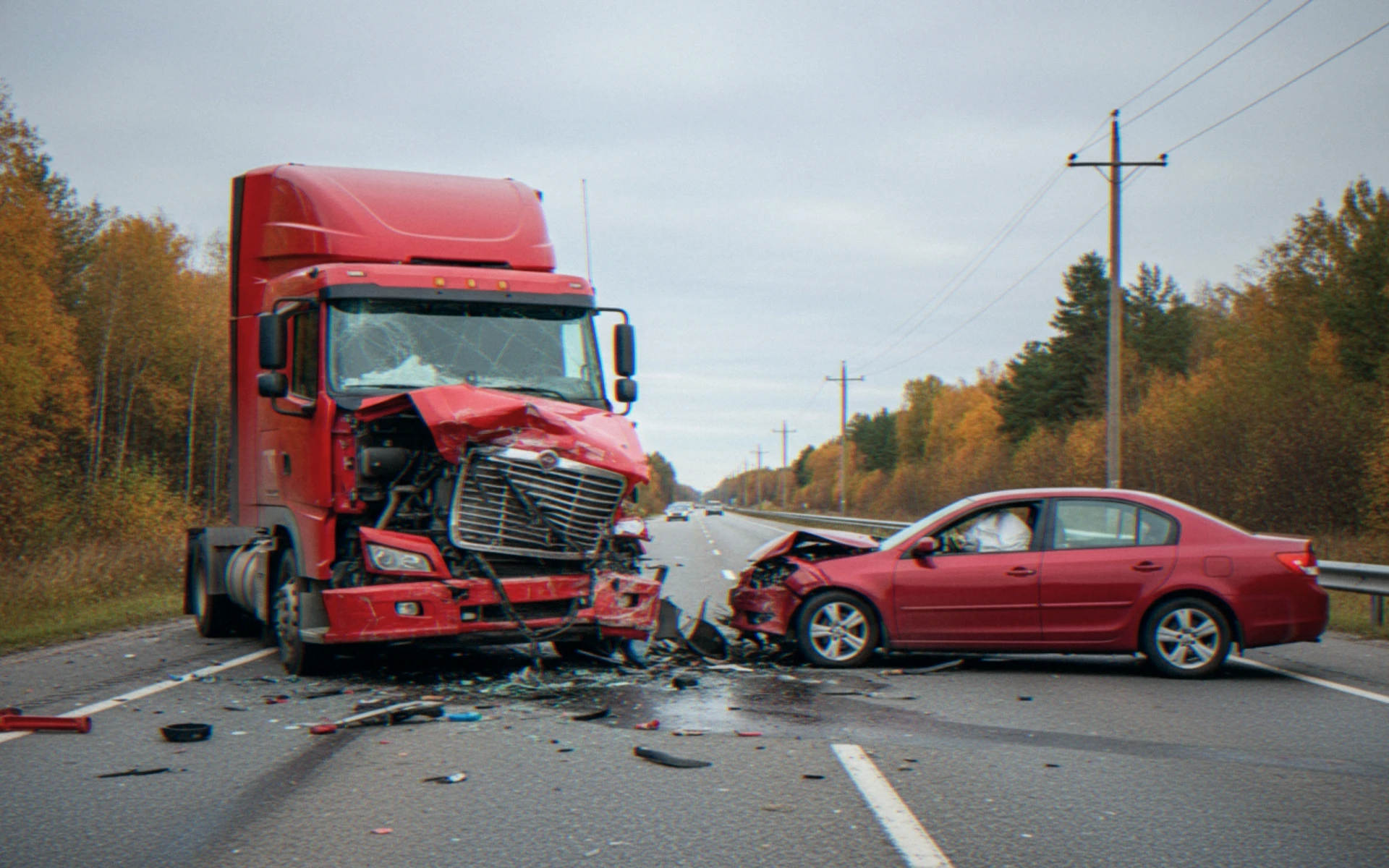
What Victims Should Know About Trucking Company Rapid Response Teams
Quick Answer After a serious truck accident, a trucking company or its insurance carrier may send a rapid response team...
Supreme Court Clarifies Broker Liability: Trucking Victims Still Face an Uphill Climb
The Supreme Court’s ruling on the Federal Aviation Administration Authorization Act (FAAAA) represents great progress towards accountability for trucking companies,...
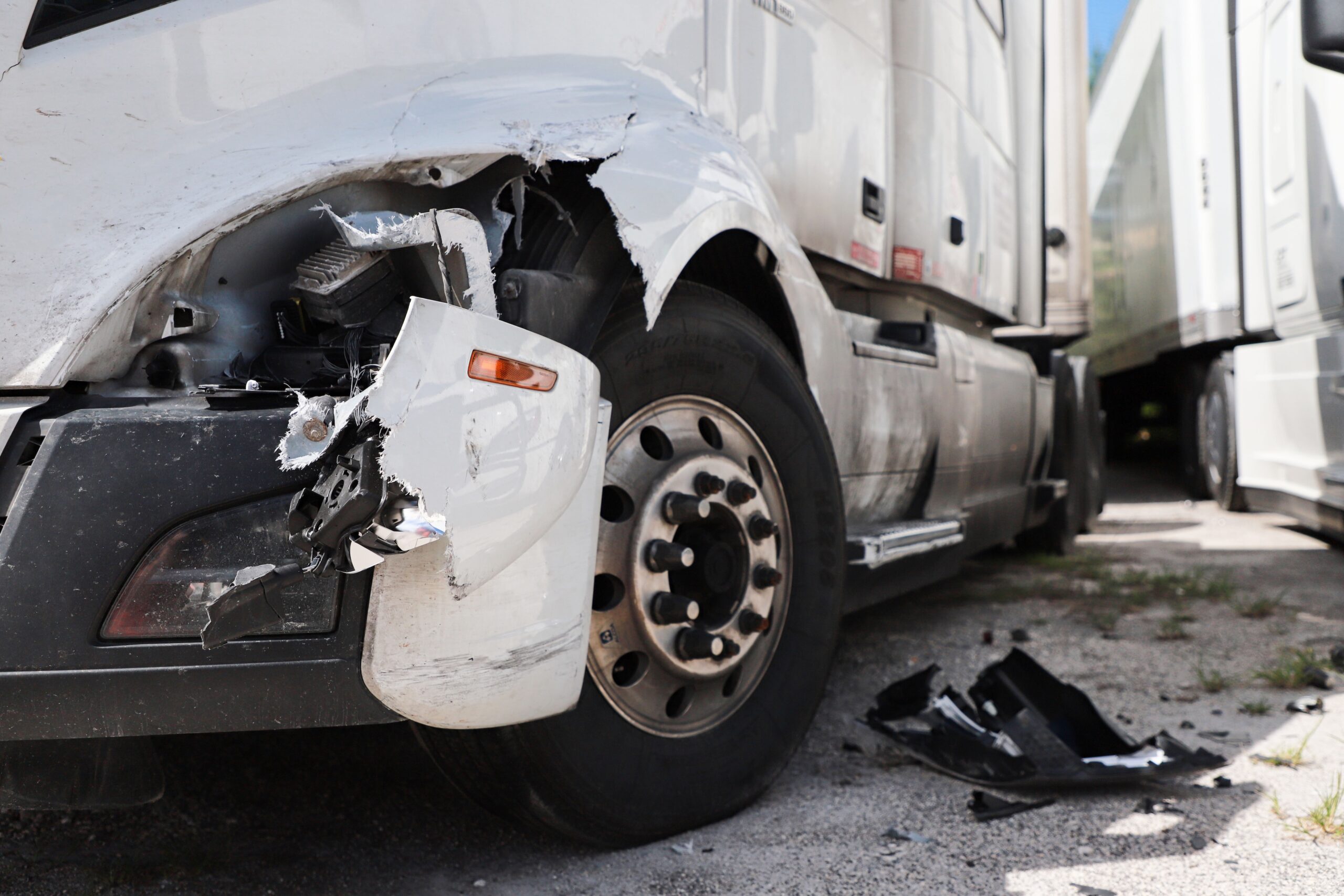
The Role of Black Box Data in Trucking Accident Investigations
When a passenger car collides with another passenger car, investigators typically rely on police reports, witness statements, and physical evidence...
