Supreme Court Clarifies Broker Liability: Trucking Victims Still Face an Uphill Climb
By: Tom Sarna | July 31, 2026
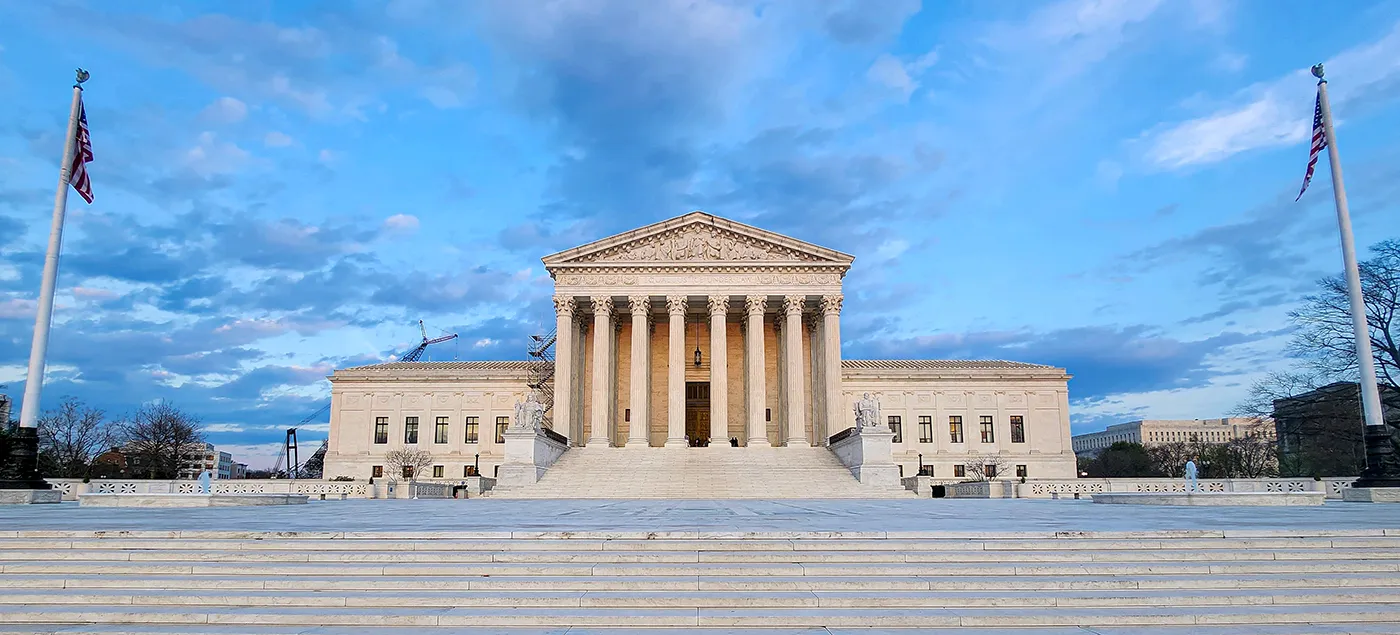
The Supreme Court’s ruling on the Federal Aviation Administration Authorization Act (FAAAA) represents great progress towards accountability for trucking companies, but it isn’t the boon to trucking accident victims that the trucking industry claims it to be.
The High Court – with the assistance of a few dictionaries on May 14 – provided much needed clarity on the scope of the preemption provision within the FAAAA as it applies to negligent-hiring claims directed against brokers.
At issue was the meaning of the safety exception within the FAAAA that provided that a state’s safety regulatory authority with respect to motor vehicles would not be preempted. The question before the Court was what “with respect to motor vehicles” meant.
Ultimately, it decided that if a state’s safety regulation concerns or regards the vehicles used in transportation, then it is not preempted. A state’s safety regulations include not only statutes but also the state’s common law.
The practical impact of this clarification is that brokers who knowingly hire unsafe trucking companies to move freight have been put on notice that they can be held liable for the devasting accidents that these unsafe trucking companies cause.
But there are head winds.
First, to have a cause of action, the state in question must have a regulation to that effect, either created by statute or common law. A victim of these tragic accidents will need to hire representation that is capable of navigating the complicated and nuanced architecture of each state’s regulatory framework.
Second, the safety exception only applies to interstate activities. Therefore, if the shipment at issue is intrastate, the FAAAA preemption still applies.
Finally, while the Supreme Court’s decision focused on the meaning within the regulation, it was within the framing of negligent hiring claims directed against brokers.
There are approximately 28,000 brokers in the United States and they account for approximately a third of all freight shipped in the U.S. The Court’s framing may not be applicable to the remaining two-thirds of freight on the road.
Request your free case consultation – contact us today
Related Articles
What Victims Should Know About Trucking Company Rapid Response Teams
Quick Answer After a serious truck accident, a trucking company or its insurance carrier may send a rapid response team...
The Role of Black Box Data in Trucking Accident Investigations
When a passenger car collides with another passenger car, investigators typically rely on police reports, witness statements, and physical evidence...
Simon Law explains what trucking companies know before crashes happen
Accidents involving trucks as opposed to cars differ from a legal perspective, and one of the main reasons why is...