September 2026 Highlight: Anonymous Tips Help St. Louis CrimeStoppers Clear Cases
By: Simon Law | September 16, 2026
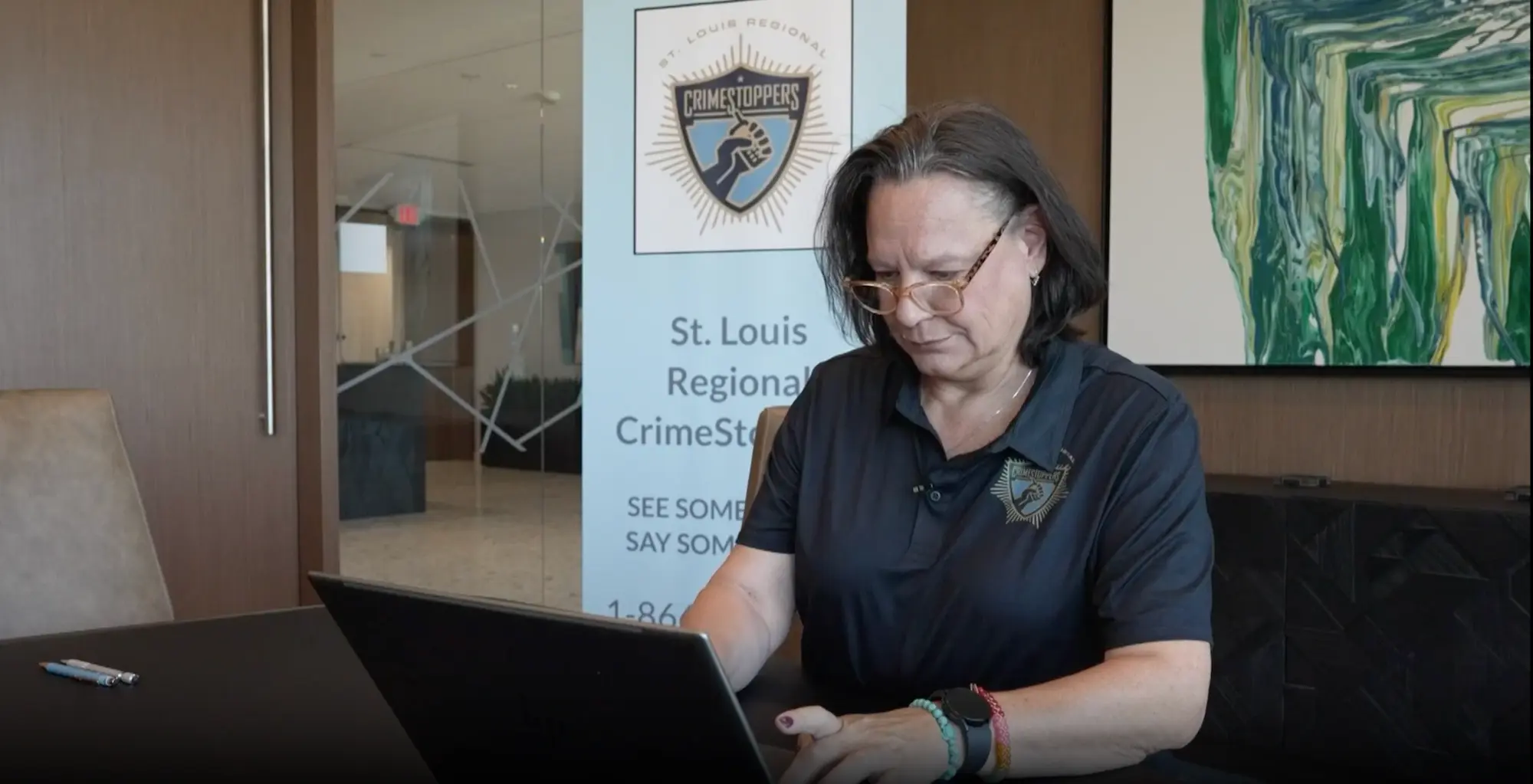
ST. LOUIS — For people who want to help police but fear retaliation or simply don’t want their identity known, St. Louis Regional CrimeStoppers offers another option: an anonymous tip.
The organization has operated in the region since 2006, serving as a bridge between community members and law enforcement agencies across the bi-state area.
Unlike a police department, CrimeStoppers is an independent 501(c)(3) nonprofit organization. Program Manager Christine Fernandez says the organization forwards information to more than 100 law enforcement agencies throughout the region.
“We are an anonymous tip line,” Fernandez said.
CrimeStoppers accepts specific suspect information involving serious felony offenses, including homicides, robberies, weapons violations and violent wanted offenders. Tips are then forwarded to the agency investigating the case.
Fernandez said anonymity is one of the organization’s most important tools.
Tipsters are not required to provide their name, phone number or other identifying information. Instead, they receive a tip identification number and password, which allows them to communicate with CrimeStoppers and provide additional information without revealing who they are.
The goal, Fernandez said, is to give people a way to speak up without having to directly approach police.
“We try to bridge the gap between the community who is afraid to sometimes contact the police directly,” Fernandez said.
Since the Saint Louis program began, CrimeStoppers says it has received more than 45,000 tips.
Fernandez says those tips have assisted law enforcement in making more than 1,000 arrests and clearing nearly 1,500 cases.
The organization has also approved approximately $670,000 in reward money. Tips have helped law enforcement seize more than 100 guns and 39 vehicles, while also assisting in the recovery of approximately $400,000 in stolen or misplaced property.
Despite the availability of rewards, Fernandez said many people who provide information are not motivated by money.
Crime Stoppers has a reward pickup rate of less than 20% in the St. Louis area.
“That shows you that the community is more interested in doing the right thing, saving their communities from these criminal activities,” Fernandez said.
While CrimeStoppers works closely with law enforcement, Fernandez emphasized that the organization does not investigate crimes or operate as a police department.
The St. Louis program forwards tips to investigating agencies, including local departments and federal task forces. It does not dispatch 911 calls or handle routine complaints and nuisance violations.
Fernandez, who previously worked in law enforcement, said her police background has helped her understand how to gather useful information and make people comfortable enough to talk.
She joined the police academy in 1997, graduated in 1998 and was injured in the line of duty in 2002. She retired in 2005 and began working with CrimeStoppers in 2006.
CrimeStoppers accepts tips through its website and the P3 mobile app. The organization also operates a toll-free hotline around the clock.
The hotline is 866-371-TIPS and is available 24 hours a day, 365 days a year.
People who provide information can also choose whether they are interested in receiving a reward.
Fernandez said some tipsters specifically tell Crim Stoppers they do not want a reward and are contacting the organization simply because they want to help.
For St. Louis Regional CrimeStoppers, the message remains straightforward: if you see something that could help solve a serious crime, there is a way to say something — while keeping your identity private.
Request your free case consultation – contact us today
Related Articles

August 2026 Highlight: Home Sweet Home Supports Vulnerable Families Transitioning to Stable Housing by Providing them Furniture, Empowering Choice, and More
Working for a women’s shelter, Betsy Reznicek was getting tired of watching helplessly as her clients worked hard to come...

July 2026 Highlight: Second Chances and Good Food how a Nonprofit Celebrates Chef Who Turned Prison Meals Into a Business
Deveion Hurse, after years of incarceration, transformed his life through St. Louis' Fathers and Families Support Center.
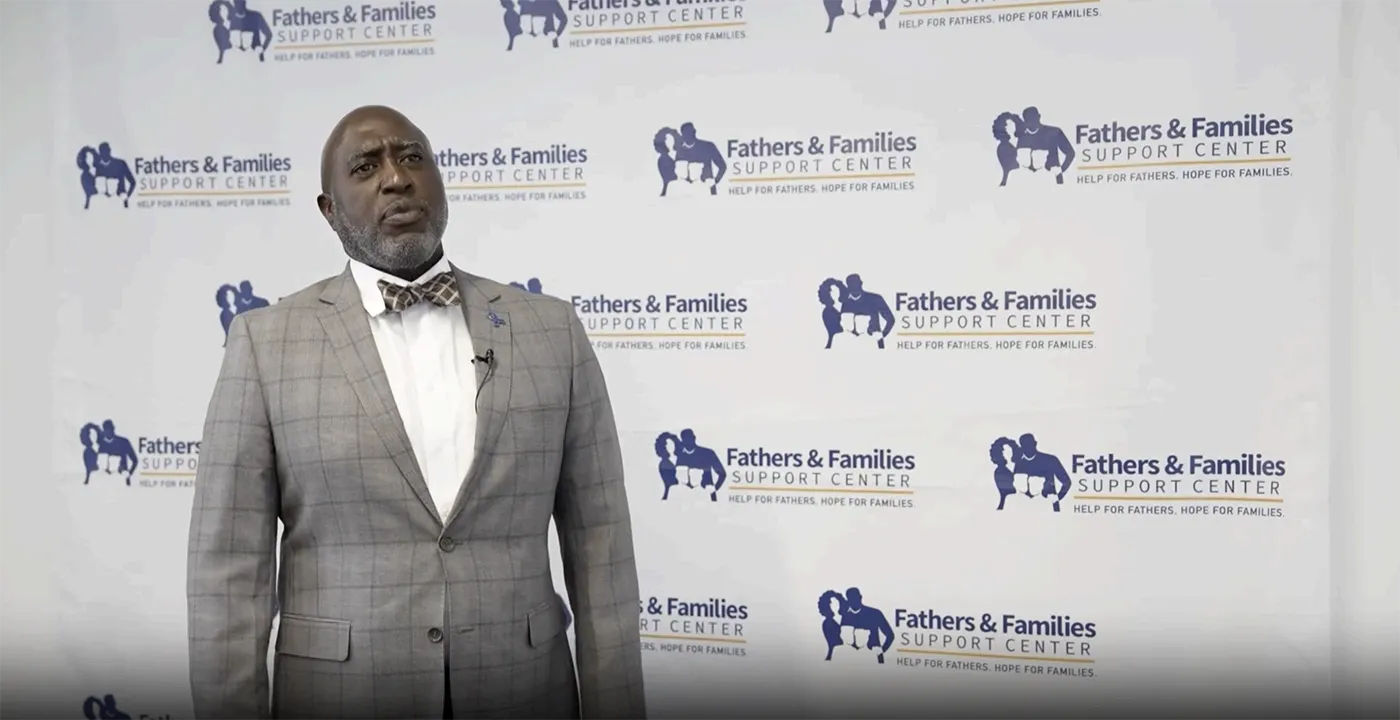
June 2026 Highlight: From Prison to Paycheck – A St. Louis Dad’s Second Chance
Deveion Hurse, after years of incarceration, transformed his life through St. Louis' Fathers and Families Support Center.